Welcome to our website!


Visco-Elastic Corrosion Protection for Valves, Pumps and Irregular Metal Parts
Visco-Elastic Corrosion Protection for Valves, Pumps and Irregular Metal Parts
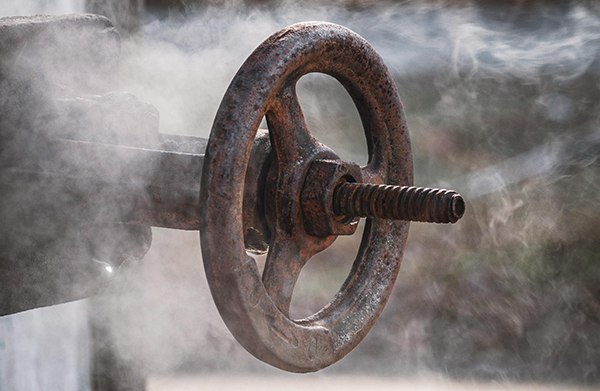
Valves, pumps, flanges, bolts, fittings, and other irregular metal parts are often the most difficult areas to protect in pipeline and industrial corrosion control projects. Unlike straight pipe sections, these components have complex shapes, uneven surfaces, sharp transitions, bolt gaps, cavities, and connection points where moisture and contaminants can accumulate.
For straight pipe sections, conventional pipeline wrapping tapes can often be applied with consistent overlap and tension. But for irregular components, corrosion protection is not only about covering the surface. The protection system must also fill gaps, conform to complex geometry, reduce voids, and create continuous contact around the metal surface.
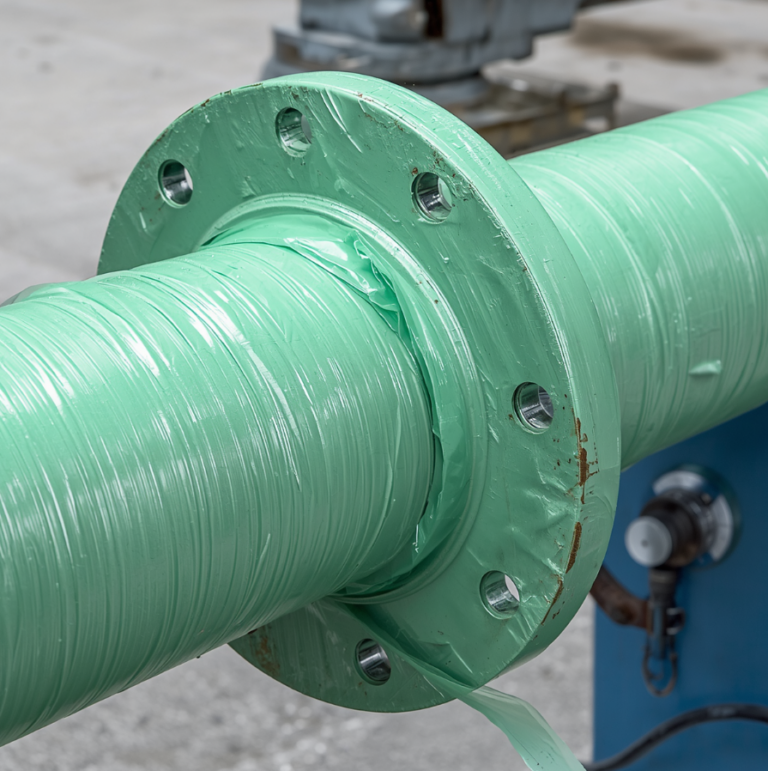
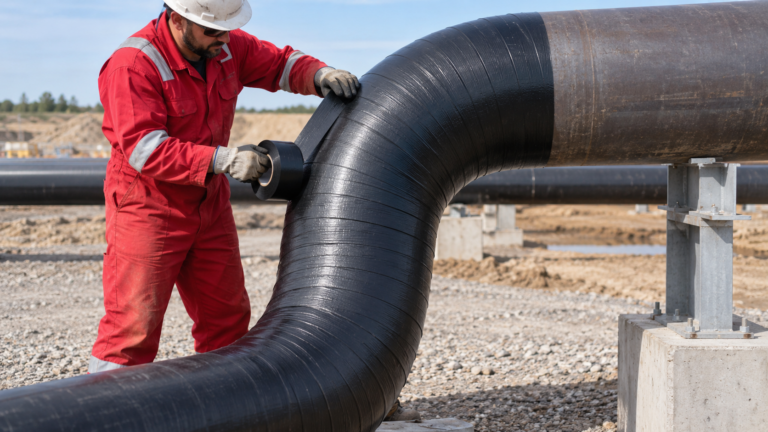
This is why visco-elastic corrosion protection systems are commonly used for complex pipeline components. By combining visco-elastic paste, visco-elastic tape, and an outer protection layer, the system can help protect valves, pumps, flanges, and other irregular parts that are difficult to coat with standard wrapping materials.
If you are new to this material, you may first read our technical guide: [What is Visco-Elastic Tape and How Does It Work?]
Why Irregular Metal Parts Are Difficult to Protect
Straight pipes are relatively easy to wrap because the surface is smooth, cylindrical, and predictable. Irregular components are different. They often include bolts, flanges, stems, edges, cavities, weld areas, pipe fittings, and multiple changes in shape.
These details create several protection challenges:
| Component | Common Corrosion Protection Challenge |
|---|---|
| Valves | Complex body shape, stems, bolts, flanges, and difficult transition areas |
| Pumps | Irregular housing, vibration areas, connection interfaces, and exposed edges |
| Flanges | Bolt gaps, gasket edges, crevice areas, and uneven surfaces |
| Bolted connections | Small cavities where water, oxygen, and contaminants may accumulate |
| Bends and tees | Changes in direction and uneven wrapping tension |
| Pipe fittings | Multiple geometry transitions and difficult coverage areas |
| Local repair areas | Limited working space and inconsistent surface conditions |
These areas can become corrosion risk points because they are harder to clean, harder to wrap, and harder to inspect. Even a small unprotected gap may become a path for moisture penetration.
To better understand why these areas are more vulnerable, read our related article: [Why Do Flanges and Valves Corrode Faster Than Straight Pipes?]
Why Standard Wrapping Tapes May Not Be Enough
Standard anti-corrosion tapes are widely used for pipeline protection. They are especially useful on straight pipe sections, simple repairs, and regular surfaces where wrapping conditions are easy to control.
However, when the surface is irregular, several problems may occur:
- The tape may bridge over gaps instead of filling them.
- Bolts and sharp edges may create tension points.
- Small voids may remain under the tape.
- Overlap may become uneven around complex shapes.
- The tape may not fully conform to cavities and protrusions.
- Installation quality may become harder to inspect after wrapping.
This does not mean conventional wrapping tapes are not useful. In many pipeline projects, they are still the right choice for straight pipes, field repairs, and certain coating applications. The key point is that irregular components often need a more adaptable system.
For example, if you are comparing material options for different pipeline areas, you may also read: [Visco-Elastic Tape vs. Heat Shrink Sleeve: Which One to Choose?]
How a Visco-Elastic Corrosion Protection System Works
A visco-elastic corrosion protection system usually includes three functional layers:
| Layer | Main Function |
|---|---|
| Visco-elastic paste | Fills gaps, cavities, bolt spaces, and irregular surfaces |
| Visco-elastic tape | Forms a continuous anti-corrosion layer around the component |
| Outer protection tape or wrap | Provides mechanical protection and helps keep the system in place |
The key value of this system is conformability.
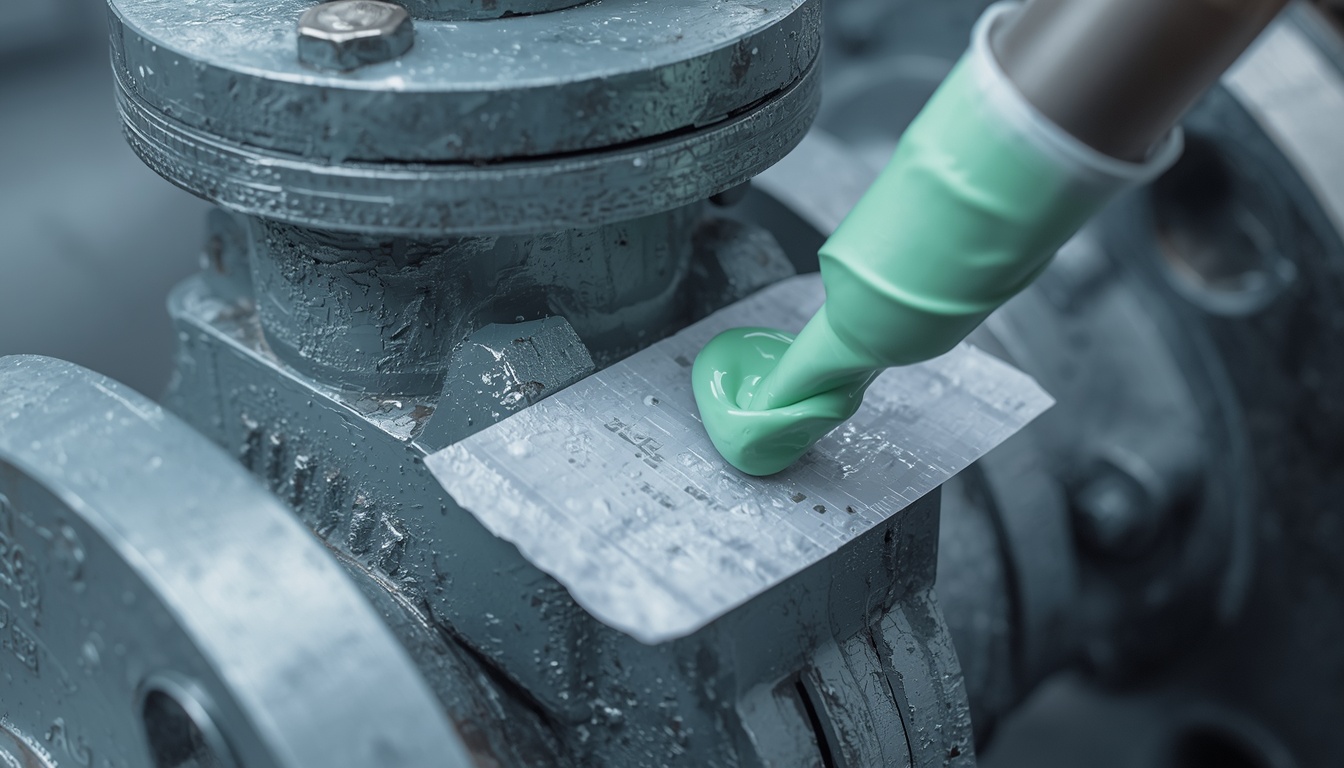
Visco-elastic paste can be applied to cavities, bolt areas, uneven surfaces, and difficult transition points where tape alone may not achieve full contact. After the paste fills these spaces, visco-elastic tape is wrapped over the component to form a continuous corrosion protection layer. In many applications, an outer wrap is then applied to provide additional mechanical protection.
For a more detailed flange installation process, see: [How to Apply Visco-Elastic Tape on Flanges – A Step-by-Step Guide]
Typical Application Areas
Visco-elastic corrosion protection systems can be used in many pipeline and industrial maintenance scenarios, especially where standard wrapping materials are difficult to apply completely.
Common application areas include:
| Application Area | Recommended Protection Approach |
|---|---|
| Pipeline valves | Apply paste around bolts, cavities, and transition areas, then wrap with visco-elastic tape and outer protection |
| Pump connections | Use paste on irregular interfaces and tape over the protected surface |
| Flanges | Fill bolt gaps and gasket edges with paste before wrapping |
| Bolted joints | Fill cavities around bolt heads before applying tape |
| Bends and tees | Wrap carefully with suitable overlap and tension control |
| Irregular fittings | Use paste and tape according to shape complexity |
| Local repair zones | Prepare the surface, fill gaps, wrap with tape, and inspect the final coverage |
For oil and gas pipelines, water pipelines, industrial plants, and infrastructure maintenance, these components should not be treated as minor details. They are often critical points where corrosion protection quality directly affects long-term reliability.
Example: Protecting a Valve with Visco-Elastic Paste and Tape
A valve is a typical irregular component. It may include a valve body, bolts, flanges, stems, and connection areas. If standard tape is applied directly, it may not fully fill small gaps around bolts and geometry transitions.
A practical protection process usually includes the following steps:
- Surface preparation
Remove loose rust, dust, oil, moisture, and other contaminants according to project requirements. - Gap filling
Apply visco-elastic paste around bolts, cavities, edges, and other difficult areas. - Primary wrapping
Wrap visco-elastic tape over the protected component with suitable overlap and continuous contact. - Outer protection
Apply an outer wrap or mechanical protection tape if required by the installation environment. - Final inspection
Check whether the wrapping is continuous, properly fitted, and free from visible gaps or lifting edges.
This process helps create a more complete protective barrier around a complex component.
Key Installation Considerations
The performance of any corrosion protection system depends not only on material selection, but also on correct installation. For irregular metal parts, the following details are especially important.
1. Surface Condition
Before applying the system, the metal surface should be cleaned according to project requirements. Loose rust, dust, oil, water, and other contaminants may affect contact between the material and the substrate.
2. Paste Application
For flanges, valves, pumps, bolted areas, and irregular fittings, paste application is a key step. The paste should be used to fill cavities, sharp transitions, gaps, and uneven areas before tape wrapping.
3. Wrapping Direction and Overlap
The tape should be applied with suitable overlap and controlled tension. On irregular shapes, installers should avoid excessive stretching, bridging, or uneven coverage.
4. Edge Sealing
Edges, endings, and transition points should be checked carefully. These areas may become moisture entry points if installation is incomplete.
5. Mechanical Protection
If the protected component is buried, exposed to impact, or located in a harsh environment, an outer protection layer is usually recommended.
6. Final Inspection
After installation, the protected area should be inspected for full coverage, proper overlap, and visible defects. Any lifting edge, open gap, or damaged area should be repaired before service.
Visco-Elastic System vs. Standard Wrapping Approach
The difference between a visco-elastic system and a standard wrapping approach is not simply the product name. The real difference is how each method handles complex geometry.
| Item | Standard Wrapping Tape | Visco-Elastic Paste + Tape System |
|---|---|---|
| Best suited for | Straight or regular pipe surfaces | Irregular parts and complex components |
| Gap filling | Limited | Stronger, with paste filling |
| Conformability | Depends on tape flexibility | Higher adaptability to complex shapes |
| Typical areas | Straight pipes and simple repairs | Valves, pumps, flanges, bolts, and fittings |
| Installation focus | Overlap and wrapping tension | Surface contact, gap filling, and full coverage |
| System structure | Usually one main tape layer | Paste + tape + outer protection layer |
In many pipeline projects, these systems are not competitors. They can be used together according to the application area. Straight pipe sections may use conventional pipeline coating tapes, while valves, flanges, pumps, and irregular components may require a visco-elastic system.
For pipeline field joints, heat shrink sleeves may be more suitable than visco-elastic systems. You can read our installation guide here: [How to Install Heat Shrink Sleeve on Pipeline Field Joints – Step by Step]
How to Select the Right Protection System
Before choosing a corrosion protection material, buyers and maintenance contractors should first identify the actual application area.
Important questions include:
- Is the component a straight pipe, field joint, flange, valve, pump, bend, tee, fitting, or local repair area?
- Is the surface regular or irregular?
- Are there bolts, cavities, sharp edges, gasket areas, or gaps?
- Is the component buried, above-ground, indoor, outdoor, coastal, or industrial?
- What is the operating temperature?
- Is mechanical protection required?
- What project standards or testing documents are required?
- Will the installation be performed in a workshop, on site, or during a maintenance shutdown?
For complex parts, a single product may not be enough. A system approach is often more suitable. Visco-elastic paste, visco-elastic tape, outer wrap, cold-applied tape, heat shrink sleeve, and repair materials may all have different roles in one pipeline protection project.
Why This Matters for Maintenance Contractors and EPC Projects
For maintenance contractors and EPC companies, corrosion protection failure can lead to rework, project delays, additional inspection costs, and long-term reliability concerns.
Using a suitable protection system for irregular metal parts can help:
- Improve surface coverage on complex components.
- Reduce the risk of unprotected gaps.
- Support more consistent field installation.
- Simplify protection of valves, pumps, and flanges.
- Provide a clearer material selection method for different pipeline areas.
- Support long-term maintenance planning.
For oil and gas, water pipelines, industrial plants, and infrastructure projects, irregular components should be considered during material selection from the beginning, not treated as an afterthought during installation.
Related Technical Guides
For more information about pipeline corrosion protection and material selection, you may also read:
- [What is Visco-Elastic Tape and How Does It Work?]
- [Visco-Elastic Tape vs. Heat Shrink Sleeve: Which One to Choose?]
- [How to Apply Visco-Elastic Tape on Flanges – A Step-by-Step Guide]
- [Why Do Flanges and Valves Corrode Faster Than Straight Pipes?]
- [How to Install Heat Shrink Sleeve on Pipeline Field Joints – Step by Step]
Conclusion
Valves, pumps, flanges, fittings, and other irregular metal parts are among the most difficult areas to protect against corrosion. Their complex shapes create gaps, cavities, edges, and transition points where standard wrapping methods may not provide full contact.
A visco-elastic corrosion protection system combines paste, tape, and outer protection to help solve this problem. The paste fills irregular spaces, the tape forms a continuous anti-corrosion layer, and the outer wrap provides additional mechanical protection.
For pipeline maintenance contractors, EPC companies, industrial plants, and infrastructure operators, this system provides a practical approach for corrosion protection in complex application areas.
Need corrosion protection for valves, pumps, flanges, or irregular pipeline components?
Our technical team can review your project conditions and recommend the most cost-effective, reliable tape for your specific application.