Welcome to our website!


How to Apply Visco-Elastic Tape on Flanges
How to Apply Visco-Elastic Tape on Flanges | Jiayu Technical Guide
How to Apply Visco-Elastic Tape on Flanges – A Step-by-Step Guide
Flanges are among the most corrosion-prone components on any pipeline. This guide walks you through the correct procedure for applying visco-elastic tape to flanges, valves, and other irregular surfaces — ensuring a void-free, self-healing seal that lasts for decades.
Why Flanges Are Corrosion Hotspots
Flanges, valves, pumps, and other irregular fittings are the weakest points in any pipeline coating system. Unlike straight pipe sections, flanges have:
- Complex geometries — bolt recesses, sharp angles, and raised faces
- Stress concentrations — where coatings tend to crack or disbond
- Difficult access — making uniform coating application challenging
Traditional coatings cannot conform perfectly to these irregular shapes. Visco-elastic tape solves this problem through its unique cold-flow and self-healing properties.
Core Tools You Will Need
- Visco-Elastic Tape (Jiayu Model JY-501)
- Visco-Elastic Paste (Jiayu Model JY-502 — for deep cavities)
- Wire brush or abrasive pad (for St2 surface cleaning)
No sandblasting, no heating, and no primer required. For a complete tool list and consumables checklist, refer to the full installation manual available in our Download Center.
Step-by-Step Application Overview
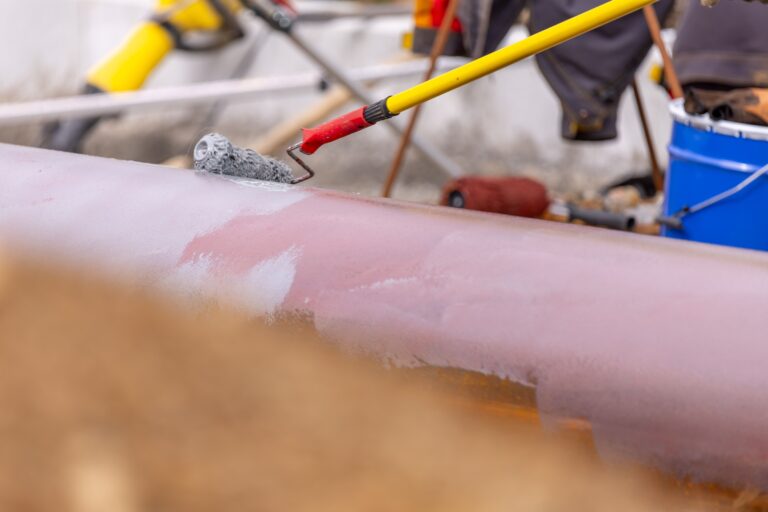
Step 1: Surface Preparation (St2)
Clean the flange surface to St2 using a wire brush — remove loose rust, dirt, and oil. No sandblasting required.
Step 2: Fill Deep Cavities with Paste
Press visco-elastic paste into bolt recesses, weld seams, and sharp corners. Level the surface to create a smooth base for tape.
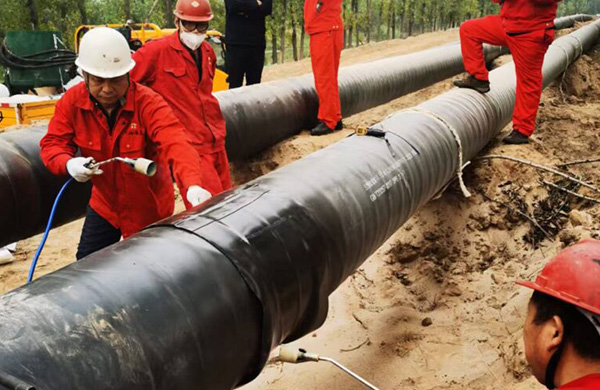
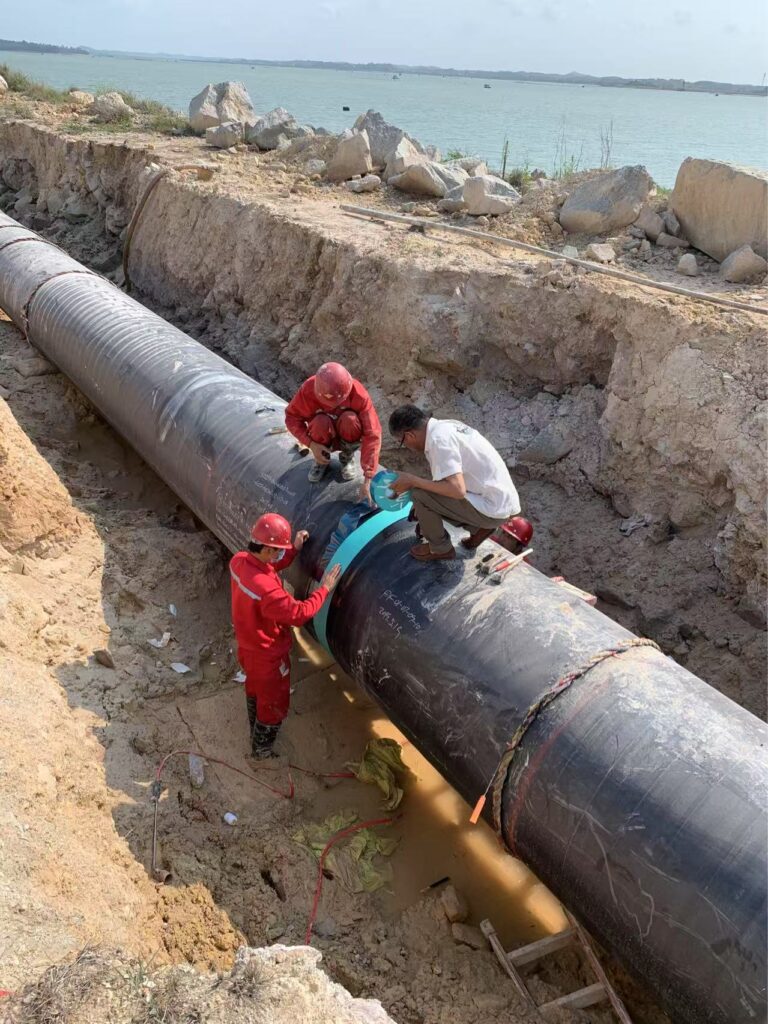
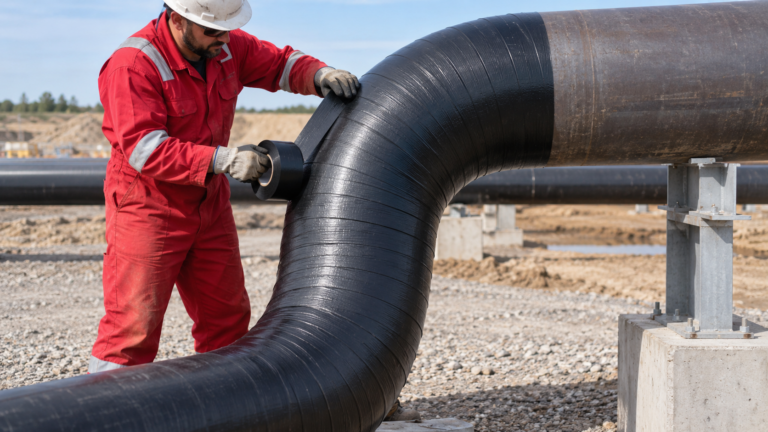
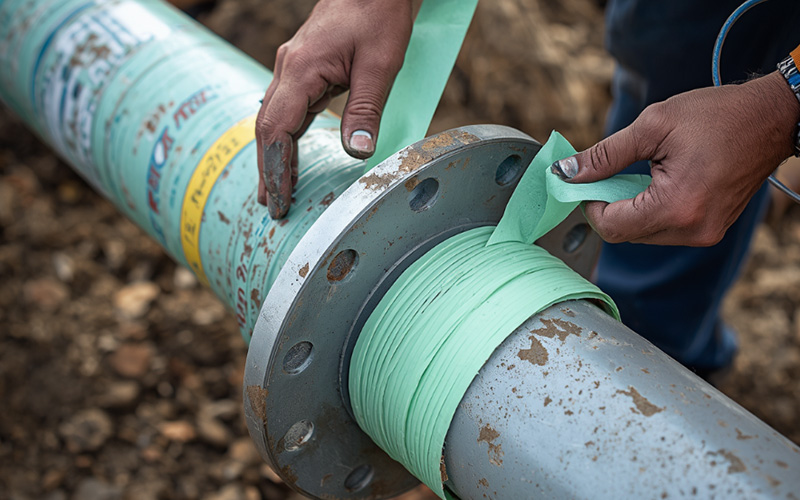
Step 3: Wrap the Tape
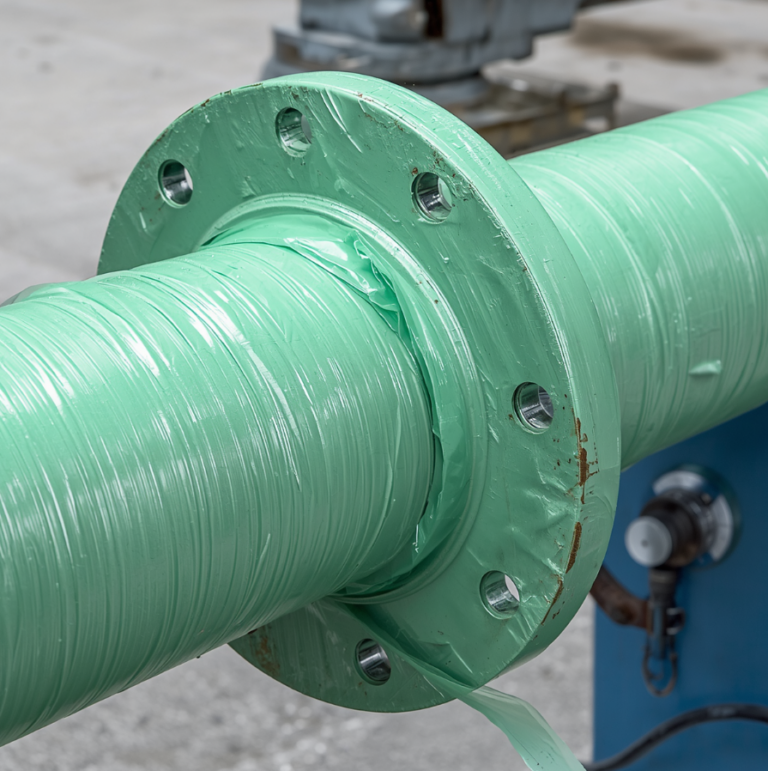
Wrap the tape around the flange with 55% minimum overlap. Press firmly to ensure full contact.
Step 4: Final Inspection
Check for complete coverage, no voids or bridging, and firmly pressed overlap seams. No curing time — backfill immediately.
For detailed step-by-step instructions with illustrations and complete tool checklists, refer to the full installation manual available in our Download Center.
Common Mistakes to Avoid
- Inadequate overlap — Less than 55% creates weak points.
- Skipping paste on deep cavities — Leads to bridging and voids.
- Dirty or wet surface — Reduces adhesion significantly.
- Stretching the tape — Reduces thickness and coverage.
Why Visco-Elastic Tape Is the Best Choice for Flanges
- Self-Healing — Minor scratches repair automatically.
- No Sandblasting — Simple St2 cleaning saves time and cost.
- No Heating — Cold application, no torches or hot work permits.
- Permanent Flexibility — Never hardens or cracks.
- CP Compatible — Excellent cathodic disbondment resistance.
- Zero VOC — Safe for applicators and the environment.
📥 Need the complete installation manual?
Download the full installation manual (PDF) from our Download Center — includes detailed step-by-step illustrations, complete tool checklists, and acceptance criteria for project documentation.
View Visco-Elastic Tape →
View Visco-Elastic Paste →
Published: June 1, 2026 | Category: Application Guide